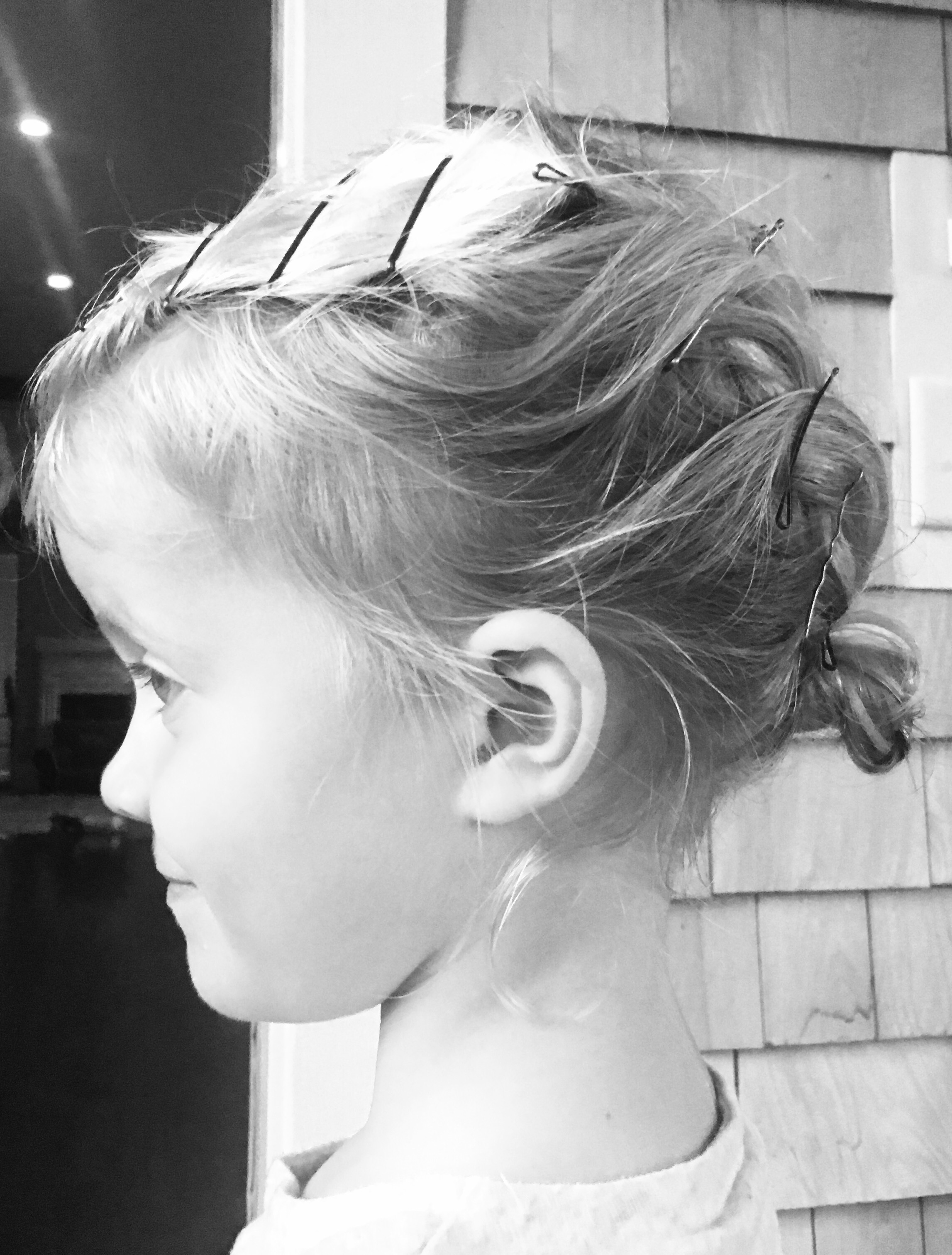
Mama, will you miss this?

On the eve of her 4th birthday, Viv asked: “Mama, will you miss 3yrs old?”

I said yes, but I’m also excited for 4!

She replied:  “Well don’t worry, because one day Celia will be 3!”

Is she reading my mind? I will desperately miss these days, these months, these years. Is it cliché to say I want to bottle them up for future consumption? 

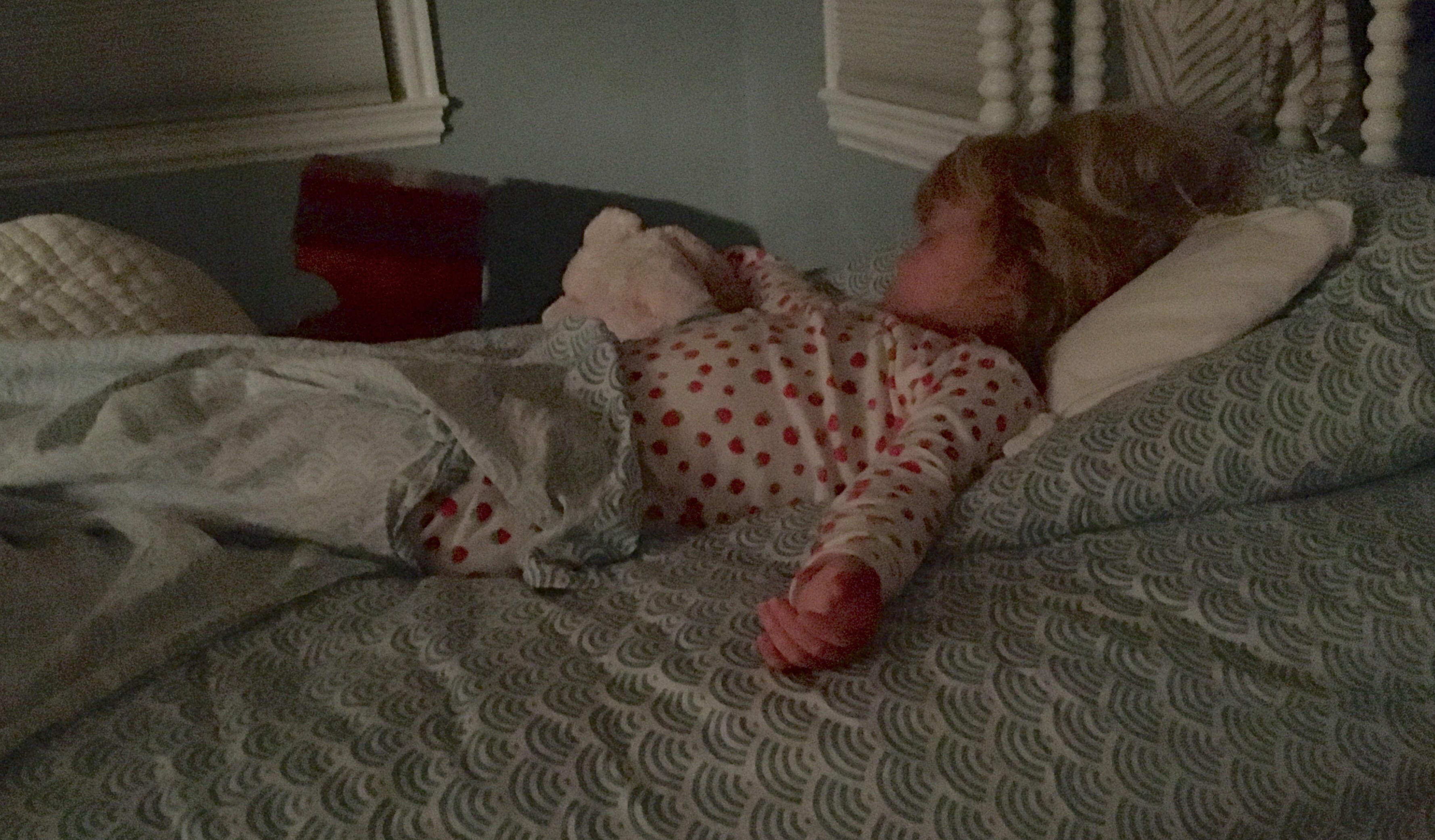
Goodnight my 3yr old deep-thinking-toddler. One last hug for mama please, the last while you are still three.

Good morning my 4yr old girl. A big hug for mama please, the first since turning four.

What’s on your plate? 

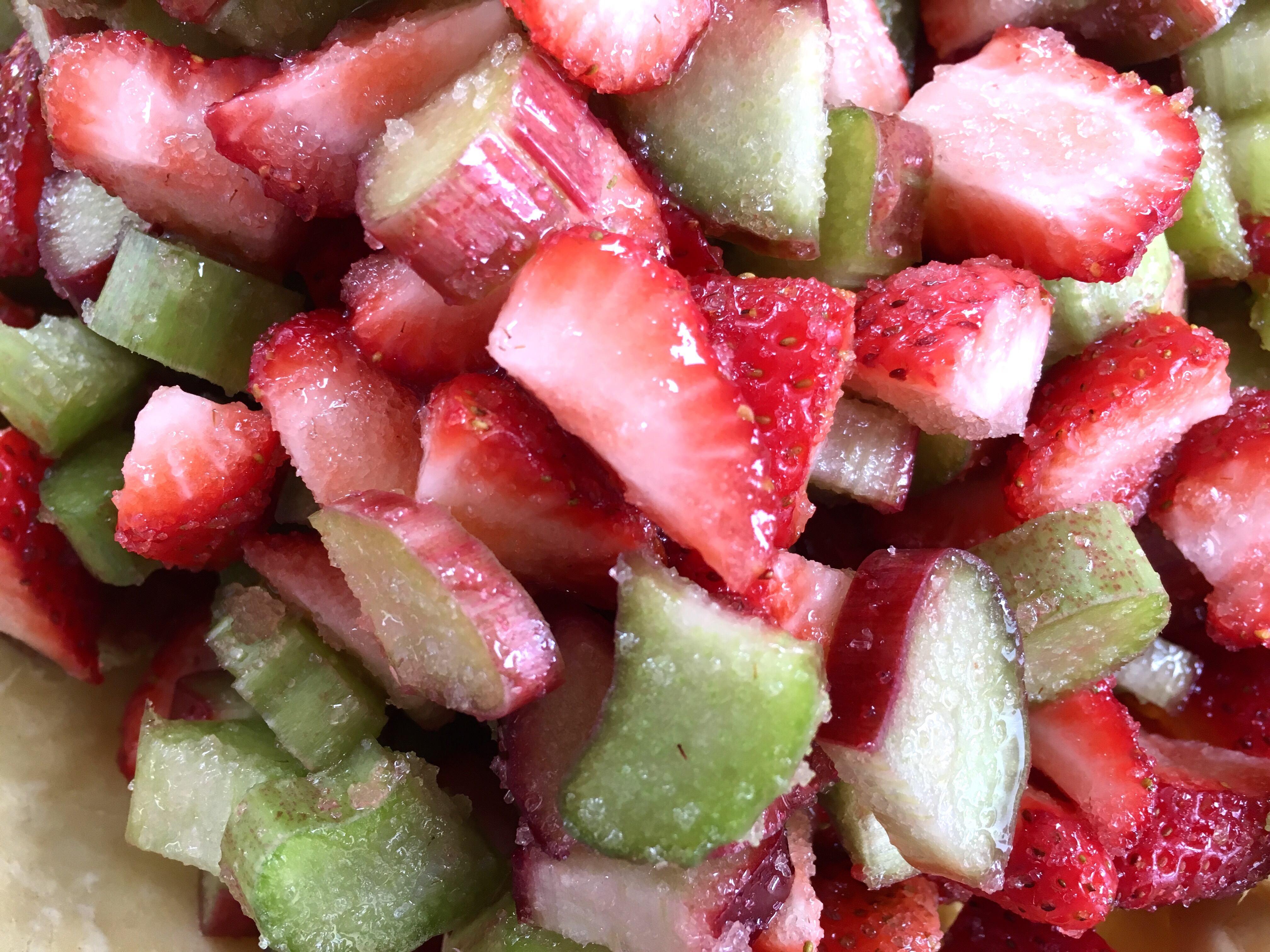
As a last farewell to summer, we ate perfectly tart strawberry rhubarb pie this Labor Day weekend. 

Rhubarb is typically a spring crop vegetable, but the fresh stalks displayed at Stop & Shop made me literally stop, and shop – they begged to be combined with strawberries and sugar. 

So we did just that.

Recipe:

1 cup of sugar

5 cups chopped rhubarb 

5 cups chopped strawberries

That’s it. Nothing more.

I cheated a bit and used a frozen pre-made crust. No, it’s not quite as good as the real thing, but if I had to make it by hand it simply wouldn’t have been made.

Voila.

And yes, I did it again. I forgot to snap a photo of the end result. Too busy eating!

Perspective

How great is this?

A perfect reminder that perspective matters. 

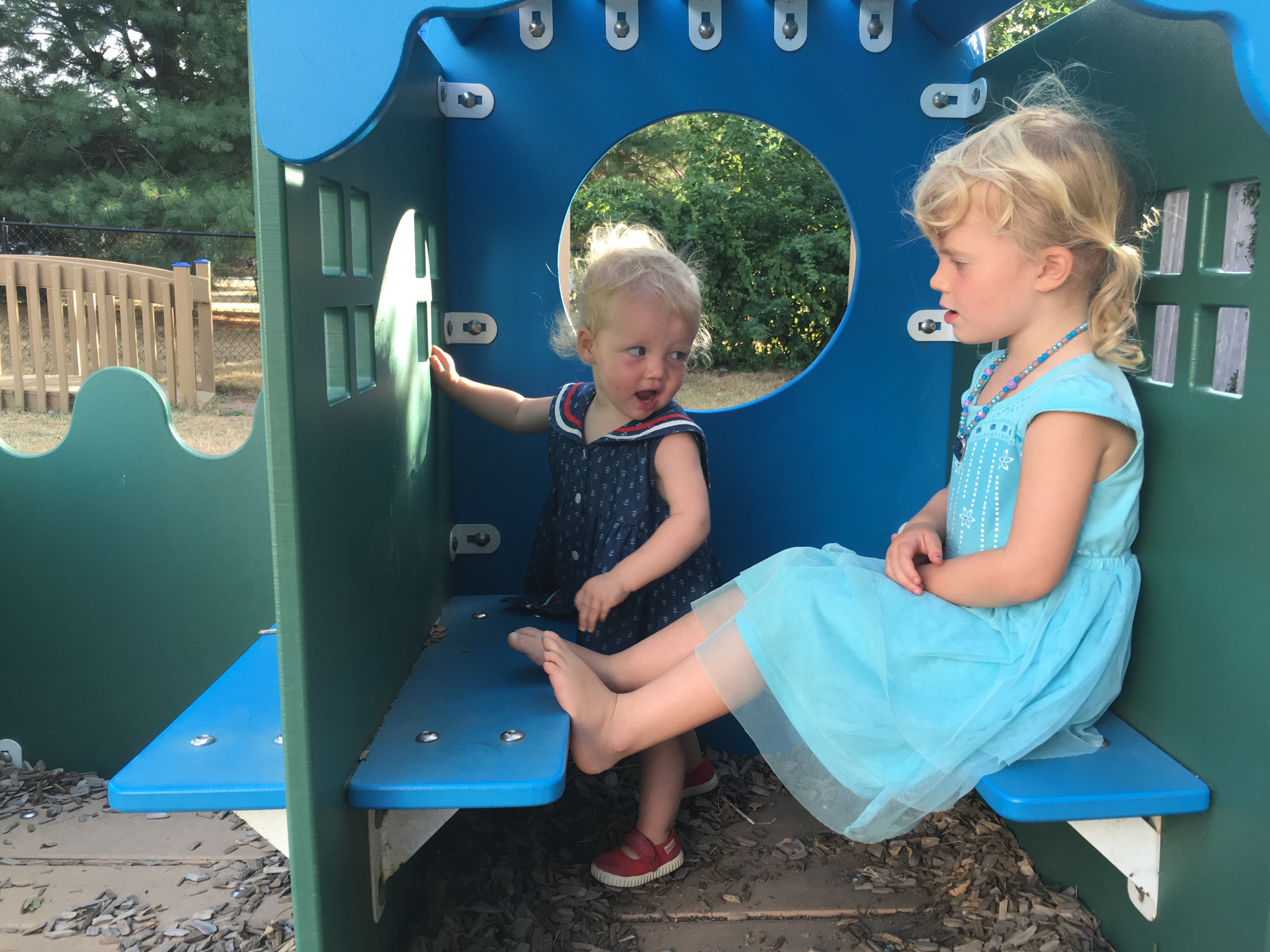
Our daughter turns 4 this month, the age at which children are generally first capable of seeing a situation from another person’s perspective. This is the basic building block from which we can learn to empathize. 

But empathy requires not only the ability to see another perspective, but also valuing that perspective.

How do you nurture this tendency? How do you teach a person to not only see, but more importantly to value another persons perspective?

I thought this short piece from the graduate school in education at Harvard had some good suggestions for cultivating empathy in children.
My favorite suggestion was to support “doing with” as opposed to “doing for”:

“Encourage children not just to do community service, to ‘do for’ others, but to ‘do with’ others, working with diverse groups of students to respond to community problems.”

Such a subtle but important shift, don’t you think?

Questions from a 3yr old

7am Sunday morning.

Coffee not yet in my cup.

Standing at the kitchen island, getting my bearings.

Viv: “Mama, why does everyone die?”

To be honest, I cannot remember exactly what I said. I’m pretty sure it didn’t make coherent sense. Something about making the life we do have more precious. I know I assured her that people usually don’t die for a long long time. 
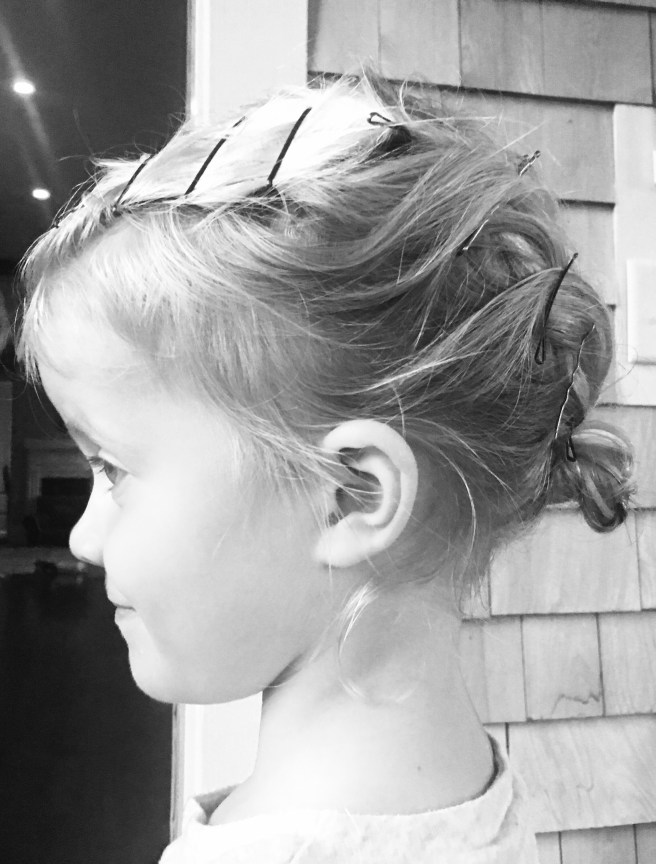
The thoughts going through her little head are maturing, growing more complex, growing more thoughtful. I wrote my college application essay on how I love spending time around children because they challenge you. They force you to question and re-examine your most basic beliefs. It is refreshing and interesting – she has definitely started to challenge me.

So what is the appropriate reaction? 

There are two tactics I have used so far, when Viv asks me serious questions.

1. Ask questions back.

 “What do you think ___ means?”

“What made you think of ___ ?” 

“Who was talking about ___ ?”

“How does ___ make you feel?”

2. Try not to use slang words – and be as honest as you think is appropriate for the age of your child. For instance, the NIH suggests that you shouldn’t relate death to sleep. Avoid saying something like “Grandma has gone to sleep for a long long time”.  You risk creating a misplaced fear about sleeping.

I am learning as I go. What do you think? How do you speak to your kids about serious topics?

Mom, Dad, what did parents do before Google!?